

PEPTIDES

From this warehouse, it is possible to order products to the following countries: Belgium, Bulgaria, Croatia (Hrvatska), Cyprus, France, Germany, Greece, Hungary, Ireland, Italy, Malta, Netherlands, Poland, Portugal, Romania, Slovakia, Slovenia, Spain
From this warehouse, it is possible to order products to the following countries: Austria, Belgium, Bulgaria, Croatia (Hrvatska), Cyprus, Czech Republic, Germany, Greece, Hungary, Ireland, Italy, Latvia, Lithuania, Malta, Netherlands, Poland, Portugal, Romania, Slovakia, Slovenia, Spain
From this warehouse, it is possible to order products to the following countries: Austria, Belgium, Bulgaria, Croatia (Hrvatska), Cyprus, Czech Republic, Estonia, France, Germany, Greece, Hungary, Italy, Latvia, Lithuania, Malta, Netherlands, Poland, Portugal, Romania, Slovakia, Slovenia, Spain
From this warehouse, it is possible to order products to the following countries: United States of America
From this warehouse, it is possible to order products to the following countries: Austria, Belgium, Bulgaria, Croatia (Hrvatska), Cyprus, Czech Republic, Estonia, Germany, Greece, Hungary, Ireland, Italy, Latvia, Lithuania, Malta, Netherlands, Poland, Portugal, Romania, Slovakia, Slovenia, Spain, United Kingdom, United States of America
From this warehouse, it is possible to order products to the following countries: Austria, Belgium, Bulgaria, Croatia (Hrvatska), Cyprus, Czech Republic, Estonia, France, Germany, Greece, Hungary, Ireland, Italy, Latvia, Lithuania, Malta, Netherlands, Poland, Portugal, Romania, Slovakia, Slovenia, Spain, United Kingdom
Minimum order amount: €100.00
From this warehouse, it is possible to order products to the following countries: United States of America
Minimum order amount: €150.00
Showing 1 - 116 of 116 results

Out of Stock
Out of Stock
Out of Stock
Out of Stock
Out of Stock
Out of Stock
Out of Stock
Out of Stock



Out of Stock
Out of Stock


Out of Stock
Out of Stock
Out of Stock
Out of Stock
Out of Stock
Out of Stock
Out of Stock
Out of Stock
Out of Stock
Out of Stock
Out of Stock
Out of Stock
Out of Stock
Out of Stock
Out of Stock
Out of Stock
Out of Stock
Out of Stock
Out of Stock
Out of Stock
Out of Stock
Out of Stock
Out of Stock
Out of Stock
Out of Stock
Out of Stock
Out of Stock
Out of Stock
Out of Stock
Out of Stock
Out of Stock
Out of Stock
Out of Stock
Out of Stock
Out of Stock
Out of Stock
Out of Stock
Out of Stock
Out of Stock
Out of Stock
Out of Stock
Out of Stock
Out of Stock
Out of Stock
Out of Stock
Out of Stock
Out of Stock
Out of Stock
Out of Stock
Out of Stock
Out of Stock
Out of Stock
Out of Stock
Out of Stock
Out of Stock
Out of Stock
Out of Stock
Out of Stock
Out of Stock
Out of Stock
Out of Stock

Out of Stock
Out of Stock
Out of Stock
Out of Stock

Out of Stock
Sale
Sale
Sale
Sale
Sale
Sale
Out of Stock
Out of Stock
Out of Stock
Out of Stock
Out of Stock
Out of Stock
Out of Stock
Out of Stock
Out of Stock
Out of Stock
Out of Stock
Out of Stock
Out of Stock
Out of Stock
Out of Stock
Out of Stock
Out of Stock
Out of Stock
Out of Stock
Out of Stock
Out of Stock
Out of Stock
Out of Stock
Out of Stock
Out of Stock

Out of Stock
Out of Stock
Out of Stock
Out of Stock
Out of Stock
Out of Stock
Out of Stock
Out of Stock
Out of Stock
Out of Stock
Out of Stock
Out of Stock
Out of Stock
Out of Stock
Out of Stock
Out of Stock
Out of Stock
Out of Stock
Out of Stock
Out of Stock
Out of Stock
Out of Stock
Out of Stock
Out of Stock
Out of Stock
Out of Stock
Out of Stock
Out of Stock
Out of Stock
Out of Stock
Out of Stock
Out of Stock
Out of Stock
Out of Stock
Out of Stock
Out of Stock
Out of Stock
Out of Stock
Out of Stock
Out of Stock
Out of Stock
Out of Stock
Out of Stock
Out of Stock
Out of Stock
Out of Stock
Out of Stock
Out of Stock
Out of Stock
Out of Stock
Out of Stock
Out of Stock
Out of Stock
Out of Stock
Out of Stock
Out of Stock
Out of Stock
Out of Stock
Out of Stock
Out of Stock
Out of Stock
Out of Stock
Out of Stock
Out of Stock
Out of Stock
Out of Stock
Out of Stock
Out of Stock
Out of Stock
Out of Stock
Out of Stock
Clinical Category: Therapeutic Peptides
Summary
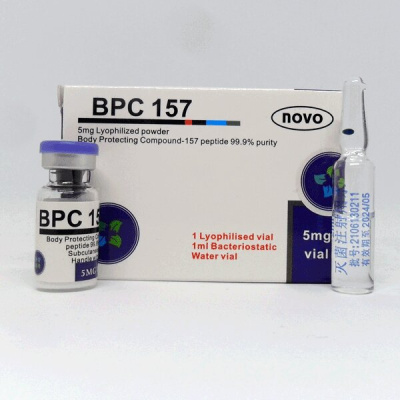
Peptides are short chains of amino acids that act as signaling molecules to tell your body how to repair tissue, release hormones, or regulate metabolism. These treatments are highly specific and must be administered under medical guidance to ensure they do not disrupt your body's natural endocrine balance. Improper use of peptides can lead to unintended organ growth, insulin resistance, and unknown long-term health risks.
Clinical Overview and Pharmacology
Peptides are smaller than proteins but function similarly as messengers in the body. Unlike anabolic steroids, which are synthetic hormones, many therapeutic peptides are designed to stimulate the body’s own natural production of hormones or growth factors [Source 16].
Mechanism of Action
Peptides work by binding to specific receptors on the surface of cells. Because they are broken down by stomach acid, most clinical-grade peptides are administered via subcutaneous (under the skin) injection to ensure they reach the bloodstream intact.
-
Selectivity: Peptides are often highly selective, meaning they target specific functions—such as collagen repair (BPC-157) or growth hormone secretion (Ipamorelin)—with fewer systemic side effects than traditional hormones [Source 17].
-
Bioavailability: Due to their short amino acid chains, peptides typically have a very short half-life, ranging from minutes to a few hours, requiring frequent administration [Source 18].
Comparison of Common Therapeutic Peptides
| Peptide Name | Primary Clinical Target | Administration Method |
| BPC-157 | Tissue and Tendon Repair | Subcutaneous / Oral |
| Ipamorelin | Growth Hormone Secretion | Subcutaneous |
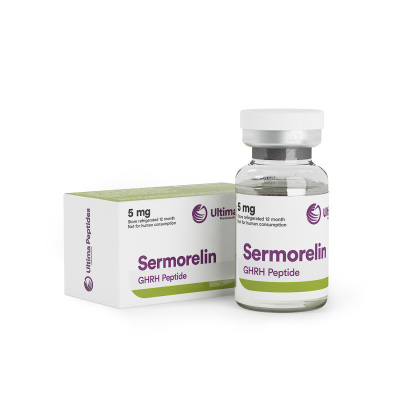
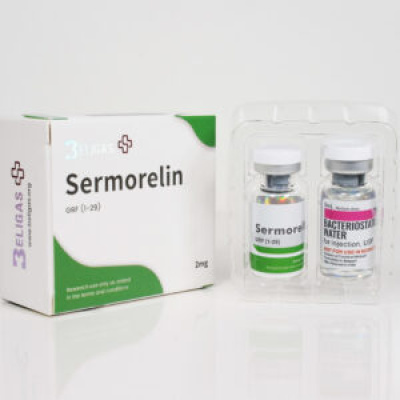
| Sermorelin | Pituitary Stimulation | Subcutaneous |
| CJC-1295 | Muscle Wasting / Recovery | Subcutaneous |
Medical Necessity vs. Misuse
-
Prescribed Clinical Use: Peptides are utilized for treating growth hormone deficiencies, chronic non-healing wounds, and certain metabolic disorders [Source 19].
-
Risks of Misuse: Using "research chemicals" or unverified peptides for anti-aging or bodybuilding without a prescription can lead to the growth of existing tumors, heart enlargement, and permanent desensitization of the pituitary gland [Source 20].
Safety and Harm Reduction
Subcutaneous Injection Protocols
Peptides are usually injected into the fatty tissue (subcutaneous) rather than the muscle. Safety protocols include:
-
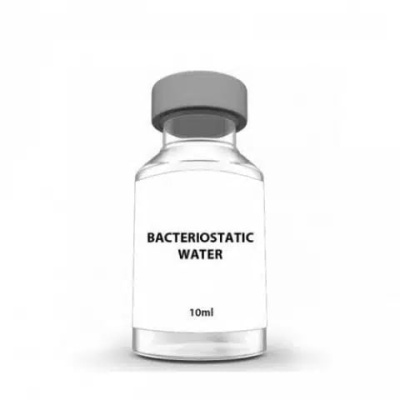
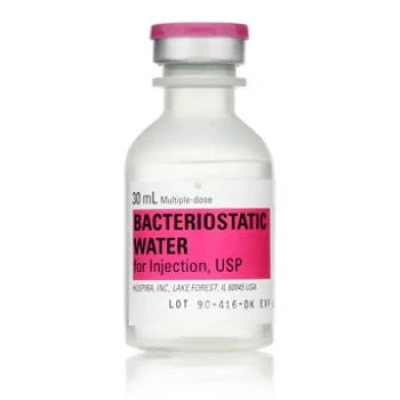
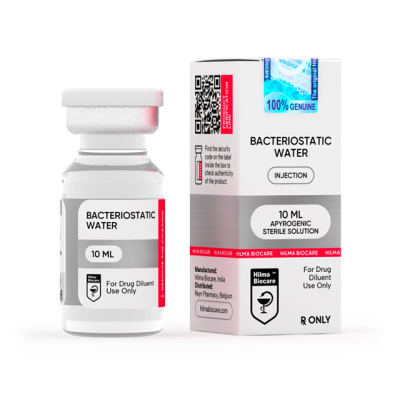
Reconstitution Safety: Many peptides come as a "lyophilized" (freeze-dried) powder and must be mixed with Bacteriostatic Water. Using tap or plain bottled water can lead to immediate bacterial infection.
-
Storage Requirements: Most peptides are temperature-sensitive and must be refrigerated after reconstitution to prevent the fragile amino acid chains from breaking down.
-
Needle Safety: Use only fine-gauge insulin syringes to minimize tissue trauma and ensure precise micro-dosing.
Diagnostic Monitoring
Even though peptides are not steroids, they require professional monitoring [Source 21]:
-
IGF-1 Levels: To ensure growth hormone stimulants do not reach dangerous, "acromegaly-like" levels.
-
Glucose/HBA1c: Some peptides can affect insulin sensitivity and blood sugar regulation.
-
Thyroid Panel: To ensure the endocrine system remains in homeostasis.
Contraindications
Peptide therapy is strictly contraindicated for individuals with:
-
Active malignancy or a history of cancer (as peptides can stimulate cell growth).
-
Proliferative retinopathy (eye damage).
-
Known hypersensitivity to specific amino acid sequences.
Acquisition and Prescription-Based Supply
Access to therapeutic peptides is strictly regulated. This pharmacy provides a prescription-based supply of pharmaceutical-grade peptides. Products sourced from "research labs" or "gray market" sites often contain heavy metals, incorrect dosages, or completely different substances.
Technical Reference Links
-
Source 16 (Peptide Pharmacology):
https://pubmed.ncbi.nlm.nih.gov/29880120/ -
Source 17 (BPC-157 Research):
https://pubmed.ncbi.nlm.nih.gov/29998857/ -
Source 18 (Stability and Reconstitution):
https://www.ncbi.nlm.nih.gov/books/NBK562207/ -
Source 19 (FDA Peptide Regulation):
https://www.fda.gov/drugs/human-drug-compounding/bulk-drug-substances-used-compounding-under-section-503a-federal-food-drug-and-cosmetic-act -
Source 20 (Risks of GH Secretagogues):
https://pmc.ncbi.nlm.nih.gov/articles/PMC6240568/ -
Source 21 (Monitoring Guidelines):
https://pubmed.ncbi.nlm.nih.gov/30413009/
FAQs
No. Steroids are synthetic versions of hormones that directly enter your cells to change their function. Peptides are "signaling" molecules that tell your body to perform a task, such as releasing its own stored growth hormone. While they can have similar effects on recovery, they work through entirely different biological pathways [Source 16].
Peptides are often shipped as a powder to keep them stable. You must mix them with Bacteriostatic Water, which contains a small amount of benzyl alcohol to prevent the growth of bacteria. Using any other liquid can lead to infections at the injection site or the rapid spoilage of the medication [Source 18].
Peptides do not "cause" cancer in the traditional sense, but because many stimulate growth factors (like IGF-1), they can potentially cause existing, undiagnosed tumors to grow much faster. This is why a full medical screening and bloodwork are mandatory before starting any peptide regimen [Source 20].