

FAT BURNERS

From this warehouse, it is possible to order products to the following countries: Belgium, Bulgaria, Croatia (Hrvatska), Cyprus, France, Germany, Greece, Hungary, Ireland, Italy, Malta, Netherlands, Poland, Portugal, Romania, Slovakia, Slovenia, Spain
From this warehouse, it is possible to order products to the following countries: Austria, Belgium, Bulgaria, Croatia (Hrvatska), Cyprus, Czech Republic, Germany, Greece, Hungary, Ireland, Italy, Latvia, Lithuania, Malta, Netherlands, Poland, Portugal, Romania, Slovakia, Slovenia, Spain
From this warehouse, it is possible to order products to the following countries: Austria, Belgium, Bulgaria, Croatia (Hrvatska), Cyprus, Czech Republic, Estonia, France, Germany, Greece, Hungary, Italy, Latvia, Lithuania, Malta, Netherlands, Poland, Portugal, Romania, Slovakia, Slovenia, Spain
From this warehouse, it is possible to order products to the following countries: United States of America
From this warehouse, it is possible to order products to the following countries: Austria, Belgium, Bulgaria, Croatia (Hrvatska), Cyprus, Czech Republic, Estonia, Germany, Greece, Hungary, Ireland, Italy, Latvia, Lithuania, Malta, Netherlands, Poland, Portugal, Romania, Slovakia, Slovenia, Spain, United Kingdom, United States of America
From this warehouse, it is possible to order products to the following countries: Austria, Belgium, Bulgaria, Croatia (Hrvatska), Cyprus, Czech Republic, Estonia, France, Germany, Greece, Hungary, Ireland, Italy, Latvia, Lithuania, Malta, Netherlands, Poland, Portugal, Romania, Slovakia, Slovenia, Spain, United Kingdom
From this warehouse, it is possible to order products to the following countries: Austria, Belgium, Bulgaria, Croatia (Hrvatska), Cyprus, Czech Republic, Estonia, France, Germany, Greece, Hungary, Ireland, Italy, Latvia, Lithuania, Malta, Netherlands, Poland, Portugal, Romania, Slovakia, Slovenia, Spain, United Kingdom
Minimum order amount: €100.00
From this warehouse, it is possible to order products to the following countries: United States of America
Minimum order amount: €150.00
Showing 1 - 81 of 81 results

Out of Stock
Out of Stock



Out of Stock

Out of Stock
Out of Stock
Out of Stock

Out of Stock
Out of Stock
Out of Stock

Out of Stock
Out of Stock
Out of Stock
Out of Stock
Out of Stock
Out of Stock
Out of Stock
Out of Stock
Out of Stock
Out of Stock

Out of Stock
Out of Stock

Out of Stock
Out of Stock

Out of Stock

Out of Stock
Out of Stock
Out of Stock
Out of Stock
Out of Stock
Out of Stock

Out of Stock
Out of Stock
Out of Stock
Out of Stock
Out of Stock
Out of Stock



Out of Stock

Out of Stock
Sale
Sale
Sale
Sale
Sale

Sale
Out of Stock
Out of Stock
Out of Stock
Out of Stock
Out of Stock
Out of Stock

Out of Stock
Out of Stock
Out of Stock
Out of Stock
Out of Stock
Out of Stock
Out of Stock
Out of Stock
Out of Stock

Out of Stock
Out of Stock

Out of Stock
Out of Stock
Out of Stock

Out of Stock

Out of Stock
Out of Stock
Out of Stock
Out of Stock

Out of Stock
Out of Stock
Out of Stock
Out of Stock

Out of Stock
Out of Stock

Out of Stock
Out of Stock

Out of Stock

Out of Stock

Out of Stock
Out of Stock
Out of Stock
Out of Stock
Out of Stock

Out of Stock
Out of Stock


Out of Stock
Out of Stock
Out of Stock
Out of Stock
Out of Stock
Out of Stock

Out of Stock
Out of Stock

Out of Stock
Out of Stock
Out of Stock
Out of Stock
Out of Stock

Out of Stock
Out of Stock
Out of Stock
Out of Stock

Out of Stock
Clinical Category: Pharmacological Fat Burners (Lipolytic & Thermogenic Agents)
Plain Language Summary
Fat burners are a category of pharmacological agents, including beta-agonists and thyroid mimetics, used clinically to treat severe obesity or specific metabolic disorders. These compounds function by increasing the resting metabolic rate or stimulating the breakdown of stored adipose tissue into usable energy [Source 1]. The misuse of these agents for aesthetic weight loss can lead to fatal cardiac arrhythmias, severe dehydration, and acute psychological distress.
Clinical Overview and Pharmacology
Clinical fat burners primarily target the sympathetic nervous system or the endocrine system to accelerate energy expenditure. Unlike nutritional supplements, these pharmacological agents have high bioavailability and potent systemic effects [Source 2].
-
Thermogenesis: Agents such as ephedrine or caffeine-related compounds increase core body temperature, forcing the body to burn more calories to maintain homeostasis [Source 3].
-
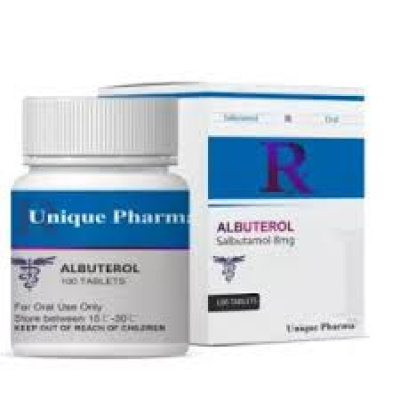
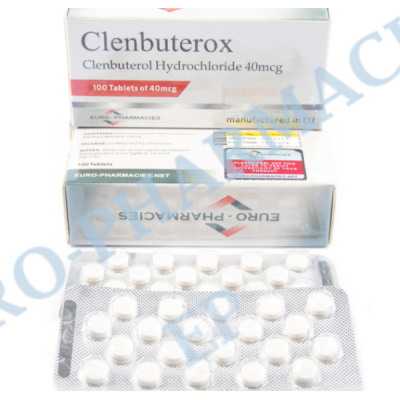
Lipolysis Stimulation: Certain compounds (e.g., Albuterol or Clenbuterol) act on beta-2 adrenoceptors to stimulate the release of free fatty acids from fat cells into the bloodstream for oxidation [Source 4].
-
Appetite Suppression: Central nervous system stimulants may be prescribed to reduce caloric intake by altering neurotransmitter levels (e.g., norepinephrine) in the brain [Source 5].
Comparison of Common Metabolic Agents
| Compound | Mechanism of Action | Approximate Half-life |
| Clenbuterol | Beta-2 Adrenoceptor Agonist | 36–48 Hours |
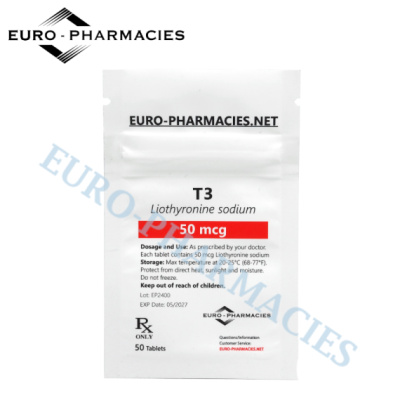
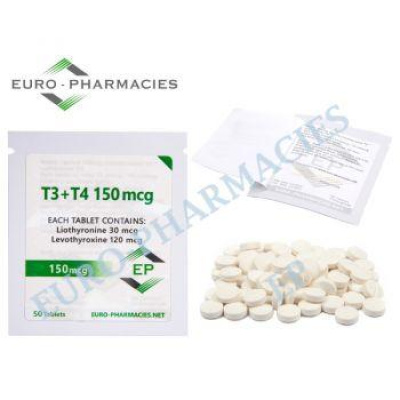
| Liothyronine (T3) | Thyroid Hormone (T3) Mimetic | 1–2 Days |
| Albuterol | Short-acting Beta-2 Agonist | 4–6 Hours |
| Ephedrine | Sympathomimetic Amine | 3–6 Hours |
Safety and Harm Reduction
Cardiovascular Monitoring
Because these agents place significant stress on the heart, clinical safety protocols require:
-
Resting Heart Rate Checks: Monitoring for tachycardia (heart rate consistently above 100 bpm).
-
Blood Pressure Screening: Stimulants can cause acute hypertension, increasing the risk of stroke or heart attack [Source 8].
-
ECG Testing: Screening for pre-existing electrical abnormalities in the heart before access is granted.
Necessary Diagnostic Monitoring
Patients utilizing metabolic agents require consistent laboratory oversight:
-
Electrolyte Panel: Rapid fat loss and thermogenesis can lead to potassium and taurine depletion, causing severe muscle cramping and cardiac issues [Source 9].
-
Thyroid Function Tests (TFTs): When using T3-based agents, monitoring TSH levels is critical to prevent permanent thyroid suppression.
-
Glucose Levels: Monitoring for changes in insulin sensitivity or blood sugar fluctuations.
Contraindications
Pharmacological fat burners are strictly contraindicated for individuals with:
-
Pre-existing cardiac conditions (e.g., arrhythmia, heart murmur, or CAD).
-
Hyperthyroidism (overactive thyroid).
-
Glaucoma or severe anxiety disorders.
-
Pregnancy or nursing [Source 10].
Acquisition and Prescription-Based Supply
Access to these compounds is strictly controlled. This facility provides a prescription-based supply only. Utilizing pharmaceutical-grade agents under medical supervision is necessary to avoid the risk of contamination or incorrect dosing frequently found in the unregulated "fat burner" market.
Technical Reference Links
-
Source 1 (Obesity Management):
https://www.ncbi.nlm.nih.gov/pmc/articles/PMC4813449/ -
Source 2 (Pharmacokinetics):
https://pubmed.ncbi.nlm.nih.gov/12144149/ -
Source 3 (Thermogenesis):
https://pubmed.ncbi.nlm.nih.gov/11033107/ -
Source 4 (Beta-Agonists):
https://www.accessdata.fda.gov/drugsatfda_docs/label/2011/017559s076lbl.pdf -
Source 5 (CNS Stimulants):
https://www.ncbi.nlm.nih.gov/books/NBK539893/ -
Source 8 (Cardiovascular Risks):
FAQs
Pharmaceutical agents like Clenbuterol or Liothyronine (T3) are potent compounds that directly alter metabolic and endocrine functions through specific receptor pathways. Unlike "natural" supplements, these agents have a high bioavailability and carry a significant risk of systemic side effects, requiring a prescription-based supply and medical monitoring [Source 2].
Stimulants and thermogenic agents often lead to increased perspiration and rapid cellular mineral depletion. Specifically, potassium and taurine levels may drop, which can trigger severe muscle cramping and, in critical cases, interfere with cardiac electrical signaling, leading to arrhythmias [Source 9].
The use of T3-based agents (e.g., Liothyronine) can suppress the body's natural production of thyroid-stimulating hormone (TSH) via a negative feedback loop. Prolonged misuse without clinical oversight may result in secondary hypothyroidism, where the thyroid gland fails to resume normal function after the medication is discontinued [Source 10].