
PCT & RECOVERY

From this warehouse, it is possible to order products to the following countries: Belgium, Bulgaria, Croatia (Hrvatska), Cyprus, France, Germany, Greece, Hungary, Ireland, Italy, Malta, Netherlands, Poland, Portugal, Romania, Slovakia, Slovenia, Spain
From this warehouse, it is possible to order products to the following countries: Austria, Belgium, Bulgaria, Croatia (Hrvatska), Cyprus, Czech Republic, Germany, Greece, Hungary, Ireland, Italy, Latvia, Lithuania, Malta, Netherlands, Poland, Portugal, Romania, Slovakia, Slovenia, Spain
From this warehouse, it is possible to order products to the following countries: Austria, Belgium, Bulgaria, Croatia (Hrvatska), Cyprus, Czech Republic, Estonia, France, Germany, Greece, Hungary, Italy, Latvia, Lithuania, Malta, Netherlands, Poland, Portugal, Romania, Slovakia, Slovenia, Spain
From this warehouse, it is possible to order products to the following countries: United States of America
From this warehouse, it is possible to order products to the following countries: Austria, Belgium, Bulgaria, Croatia (Hrvatska), Cyprus, Czech Republic, Estonia, Germany, Greece, Hungary, Ireland, Italy, Latvia, Lithuania, Malta, Netherlands, Poland, Portugal, Romania, Slovakia, Slovenia, Spain, United Kingdom, United States of America
From this warehouse, it is possible to order products to the following countries: Austria, Belgium, Bulgaria, Croatia (Hrvatska), Cyprus, Czech Republic, Estonia, France, Germany, Greece, Hungary, Ireland, Italy, Latvia, Lithuania, Malta, Netherlands, Poland, Portugal, Romania, Slovakia, Slovenia, Spain, United Kingdom
From this warehouse, it is possible to order products to the following countries: Austria, Belgium, Bulgaria, Croatia (Hrvatska), Cyprus, Czech Republic, Estonia, France, Germany, Greece, Hungary, Ireland, Italy, Latvia, Lithuania, Malta, Netherlands, Poland, Portugal, Romania, Slovakia, Slovenia, Spain, United Kingdom
Minimum order amount: €100.00
From this warehouse, it is possible to order products to the following countries: United States of America
Minimum order amount: €150.00
Showing 1 - 50 of 50 results

Out of Stock
Out of Stock



Out of Stock
Out of Stock
Out of Stock
Out of Stock
Out of Stock
Out of Stock
Sale
Sale
Out of Stock
Out of Stock
Out of Stock
Out of Stock
Out of Stock
Out of Stock
Out of Stock
Out of Stock
Out of Stock
Out of Stock
Out of Stock
Out of Stock
Out of Stock

Out of Stock
Out of Stock
Out of Stock
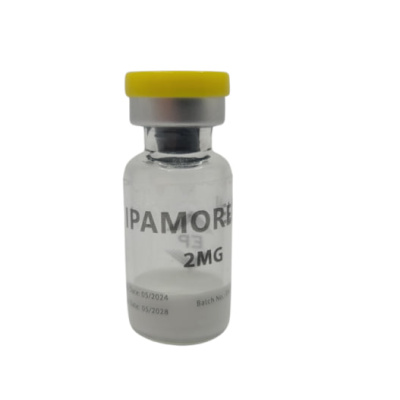
Out of Stock
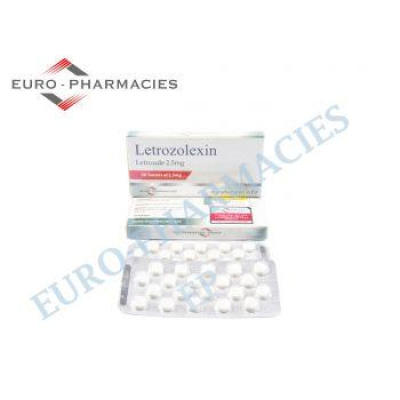
Out of Stock
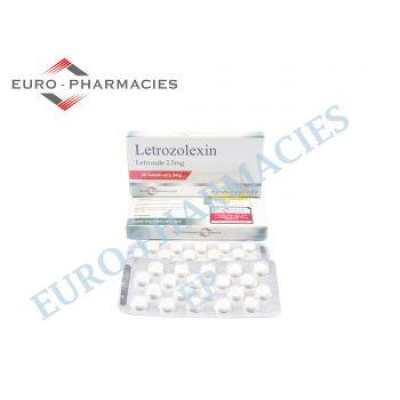
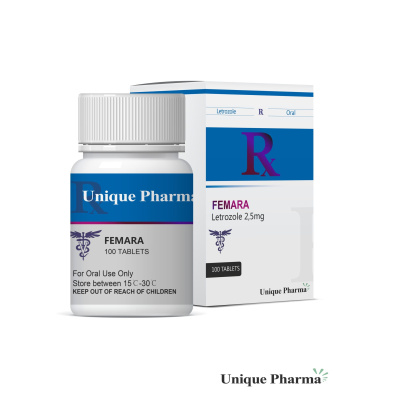
Out of Stock
Out of Stock
Out of Stock
Out of Stock
Out of Stock
Out of Stock
Out of Stock
Out of Stock
Out of Stock
Out of Stock
Out of Stock
Out of Stock
Out of Stock
Out of Stock
Out of Stock
Out of Stock
Out of Stock
Out of Stock
Out of Stock
Out of Stock
Out of Stock
Out of Stock
Out of Stock
Out of Stock
Out of Stock
Out of Stock
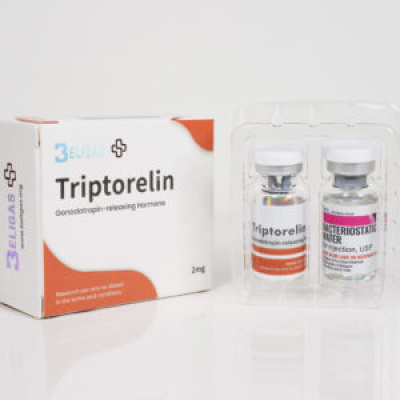
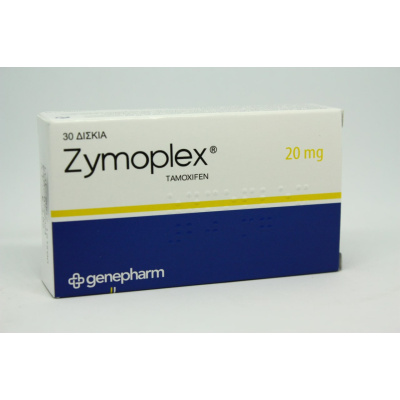
Clinical Category: Post-Cycle Therapy (PCT) & HPTA Recovery
Plain Language Summary
Post-Cycle Therapy (PCT) refers to a medically supervised protocol used to restore the body’s natural hormone production after it has been suppressed by exogenous substances, such as anabolic steroids. When external hormones are introduced, the body stops producing its own testosterone, a condition known as hypogonadism. Failure to implement a structured recovery protocol can result in permanent infertility, chronic depression, and the total loss of muscle tissue gained during treatment [Source 6].
Clinical Overview and Pharmacology
The primary goal of PCT is to restart the Hypothalamic-Pituitary-Testicular Axis (HPTA). This system operates on a negative feedback loop: when synthetic hormones are present, the hypothalamus stops releasing Gonadotropin-Releasing Hormone (GnRH), which in turn halts the production of Luteinizing Hormone (LH) and Follicle-Stimulating Hormone (FSH) [Source 1].
-
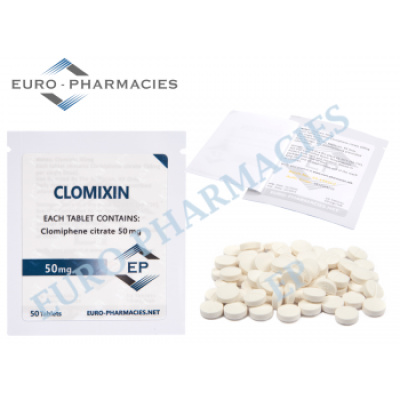
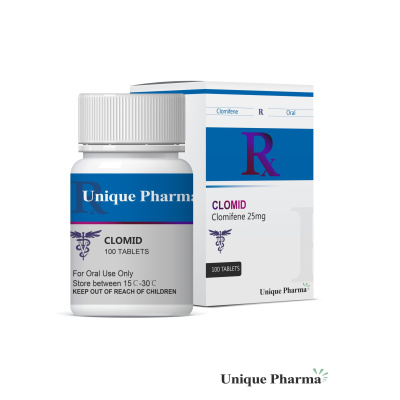
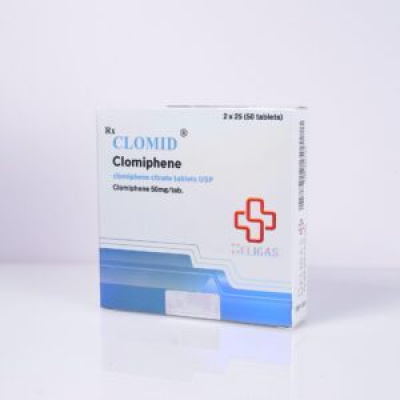
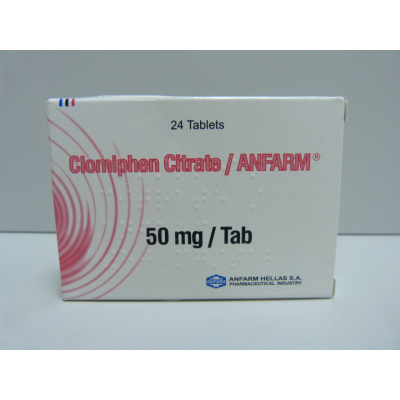
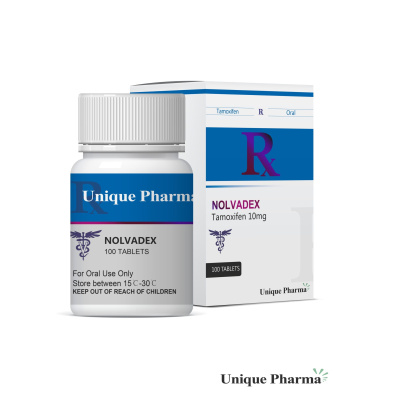
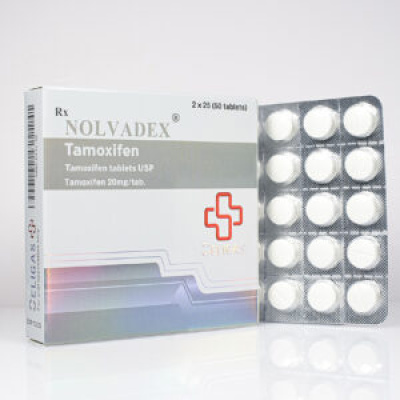
Selective Estrogen Receptor Modulators (SERMs): Drugs like Clomiphene (Clomid) or Tamoxifen (Nolvadex) block estrogen receptors in the pituitary gland. This "tricks" the brain into thinking estrogen levels are low, stimulating the release of LH and FSH to restart natural testosterone production [Source 2].
-
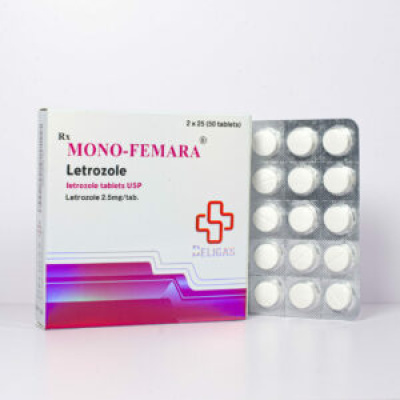
Aromatase Inhibitors (AIs): In specific clinical cases, AIs are used to prevent the conversion of remaining androgens into estrogen, ensuring a favorable testosterone-to-estrogen ratio during recovery [Source 3].
-
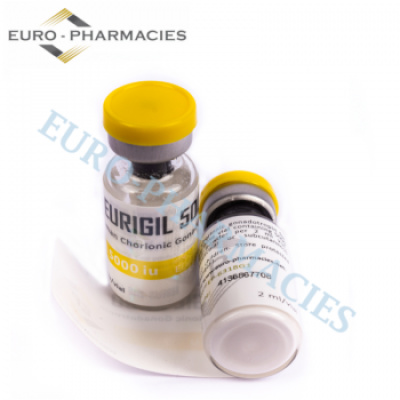
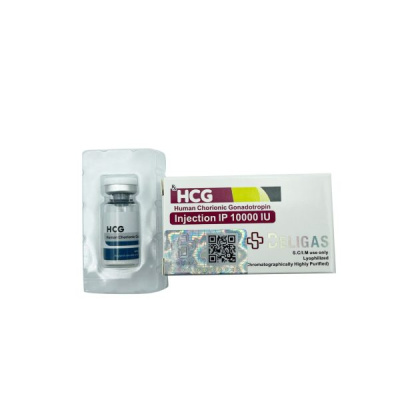
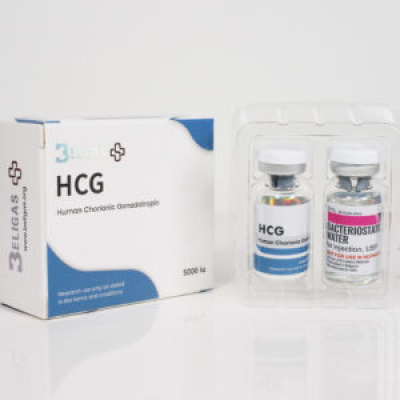
Human Chorionic Gonadotropin (hCG): This hormone mimics LH and is often used to prevent or reverse testicular atrophy by directly stimulating the Leydig cells in the testes [Source 4].
Comparison of Common Recovery Agents
| Compound (Generic) | Drug Class | Clinical Purpose |
| Clomiphene Citrate | SERM | Stimulates pituitary LH/FSH release |
| Tamoxifen Citrate | SERM | Prevents gynecomastia and boosts HPTA |
| Anastrozole | Aromatase Inhibitor | Manages estrogen levels |
| hCG | Gonadotropin | Maintains testicular volume/function |
Safety and Harm Reduction
Timing and Half-Life Considerations
A critical safety factor in PCT is the timing of onset. Starting PCT while synthetic hormones are still active in the bloodstream is clinically ineffective. The protocol must be synchronized with the half-life of the previously used esters to ensure the HPTA can successfully restart [Source 5].
Necessary Diagnostic Monitoring
Recovery cannot be confirmed without specific biochemical verification. Clinical protocols require:
-
Hormonal Panel: Measuring LH, FSH, Total Testosterone, and Estradiol levels to ensure the feedback loop is functioning.
-
Metabolic Screening: Checking liver and kidney markers to ensure the body has cleared previous substances.
-
Semen Analysis: In cases where fertility preservation is a priority, diagnostic testing of sperm count and motility is recommended [Source 7].
Contraindications
PCT medications are strictly contraindicated for individuals with:
-
Existing pituitary tumors or primary testicular failure.
-
Undiagnosed abnormal genital bleeding.
-
Severe hepatic (liver) impairment (specifically for oral SERMs) [Source 8].
Acquisition and Prescription-Based Supply
Access to recovery medications is strictly controlled to ensure patient safety and drug efficacy. This facility provides a prescription-based supply only. Utilizing non-pharmaceutical "research chemicals" for recovery carries a high risk of purity issues, which can lead to a failed recovery and long-term endocrine dysfunction.
Technical Reference Links
-
Source 1 (HPTA Feedback):
https://pubmed.ncbi.nlm.nih.gov/24351336/ -
Source 2 (SERM Mechanism):
https://www.ncbi.nlm.nih.gov/pmc/articles/PMC5508437/ -
Source 3 (Aromatase Inhibition):
https://pubmed.ncbi.nlm.nih.gov/11322730/ -
Source 4 (hCG and Testicular Function):
https://www.ncbi.nlm.nih.gov/pmc/articles/PMC4854084/ -
Source 5 (Pharmacokinetics):
https://pubmed.ncbi.nlm.nih.gov/10543673/ -
Source 6 (Consequences of Hypogonadism):
https://www.ncbi.nlm.nih.gov/books/NBK279028/ -
Source 7 (Fertility Recovery):
https://pubmed.ncbi.nlm.nih.gov/2917954/ -
Source 8 (Contraindications):
https://www.accessdata.fda.gov/drugsatfda_docs/label/2012/016131s026lbl.pdf
FAQs
If PCT begins while exogenous hormones are still active in the system, the pituitary gland will remain suppressed due to the negative feedback loop. Medications like Clomiphene cannot overcome the suppressive effect of residual synthetic testosterone. Therefore, the protocol must align with the specific half-life of the previous compounds [Source 5].
No. While hCG mimics LH and maintains testicular function, it actually contributes to HPTA suppression by signaling the brain that androgens are present. Clinical protocols use hCG as a "kickstart" or during the cycle, but SERMs (like Tamoxifen) are required afterward to restart the brain's signaling to the pituitary [Source 4].
Clinically, a failed recovery is marked by "Post-Cycle Crash." Symptoms include extreme lethargy, loss of libido, erectile dysfunction, and clinical depression. These symptoms are biochemically confirmed by blood tests showing low LH and FSH levels despite the cessation of all substances [Source 6].